
Soursop (graviola) in Zambia: benefits, leaf tea and side effects
Searches for soursop in Zambia have grown strongly over the past few years. This guide explains what it is, how it is traditionally used, what research has and has not shown, how to make soursop leaf tea, and who should avoid it.
What is soursop?
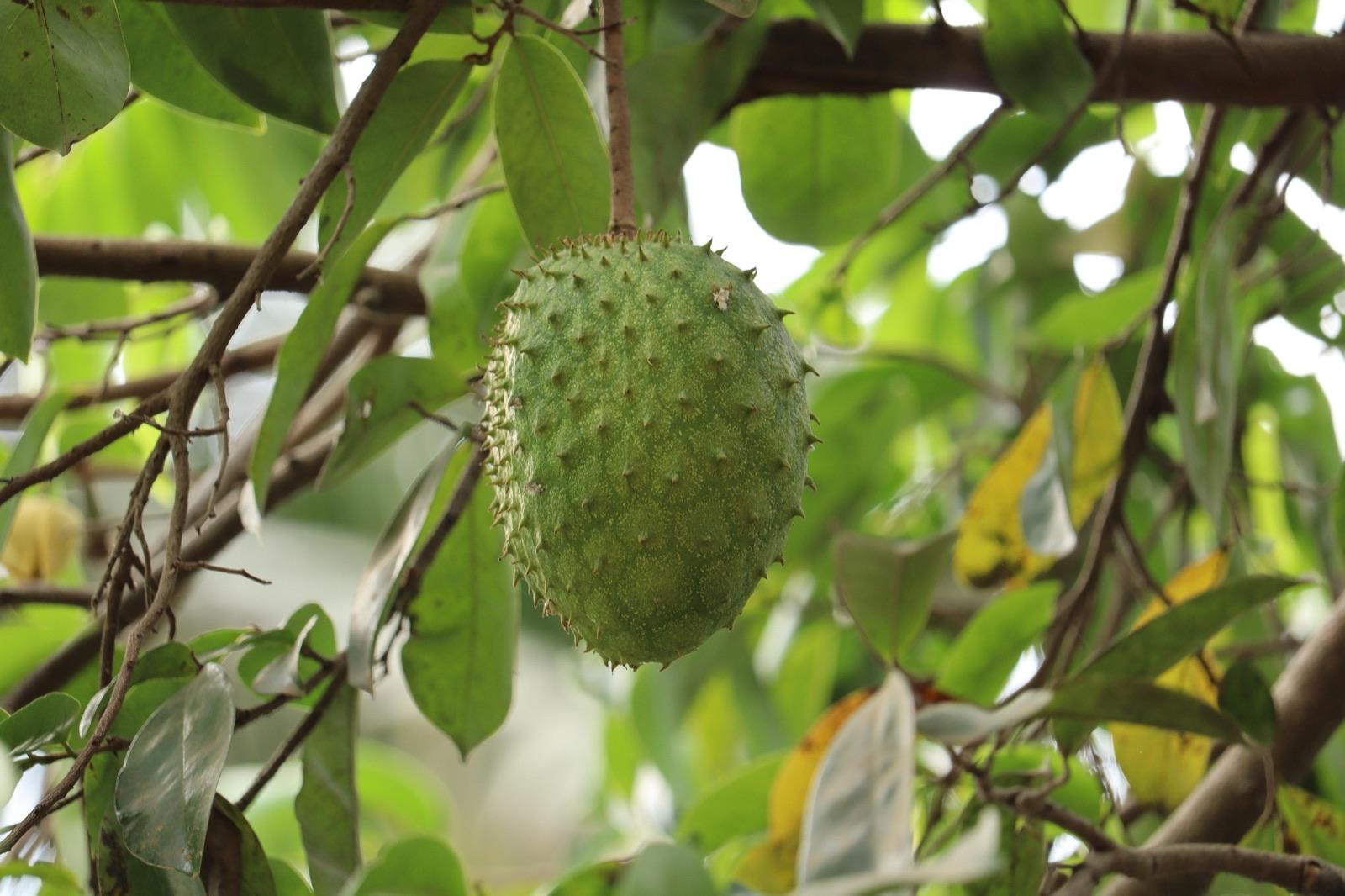
Soursop (Annona muricata) is a tropical evergreen tree in the custard-apple family (Annonaceae), related to cherimoya. It is also known as graviola, the Brazilian name, and guanábana in Spanish-speaking Latin America. The tree is native to the tropical Americas and has long been grown in tropical Africa and Asia.[1]
The tree grows about 6–10 m tall, with large, glossy, dark-green leaves. Its fruit has a green, spiky skin and soft, white, fibrous flesh with a sweet-and-sour taste. The fruit is eaten fresh or blended into juice and smoothies, while the leaves, bark and roots are used in herbal preparations, and the leaves are processed into powders, capsules and extracts.[1]
Soursop fruit or soursop leaves: what is the difference?
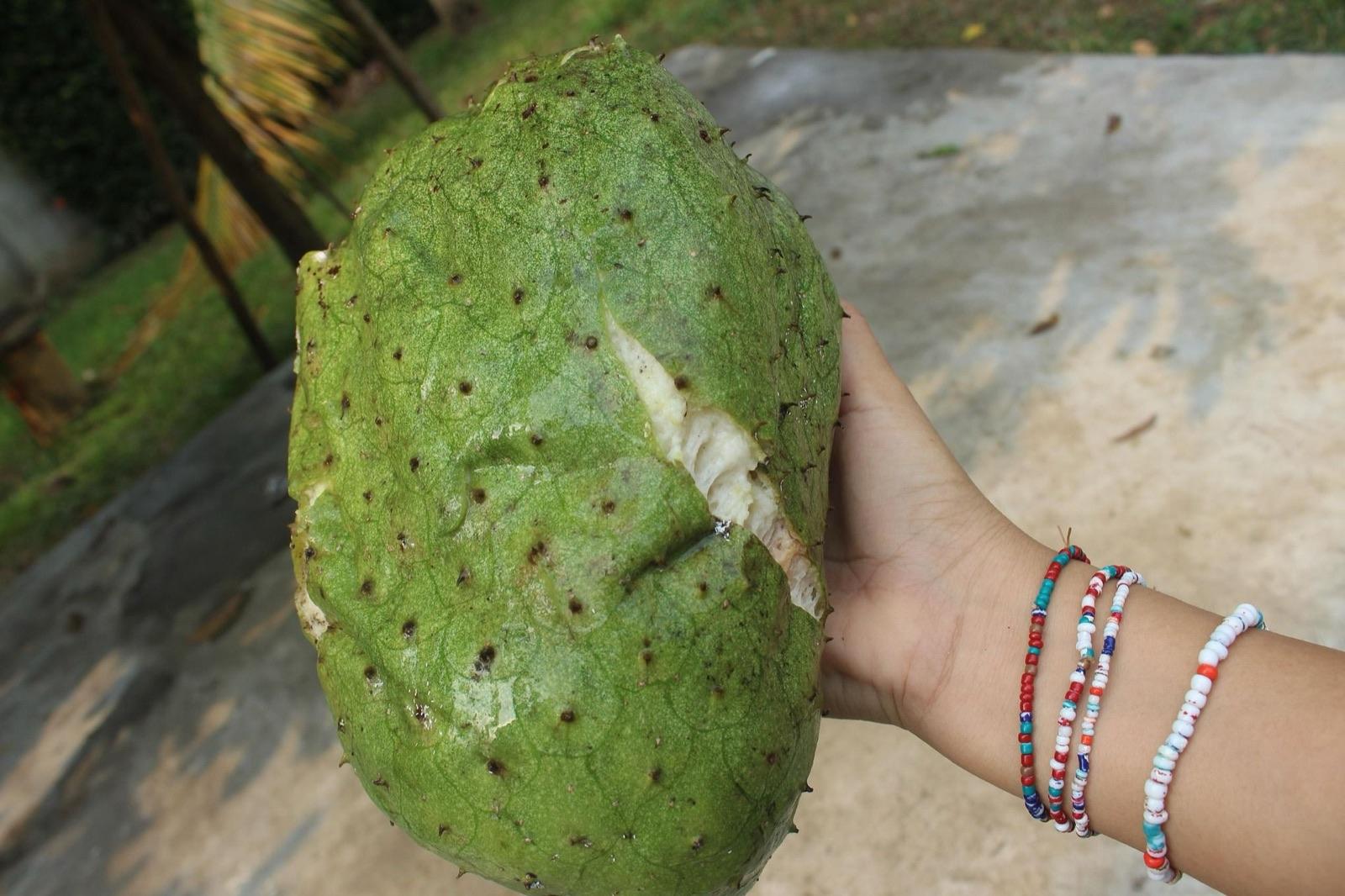
The fruit is mainly a food. It provides vitamin C, dietary fibre, potassium, magnesium, calcium, folate, natural carbohydrates and water, along with antioxidant compounds. For everyday nutrition, fresh fruit is the more appropriate choice.
The leaves contain higher amounts of plant compounds such as flavonoids, phenolic compounds, alkaloids and acetogenins. These are what researchers study, and they are why the leaves are used in teas, leaf powders and capsules. Concentrated leaf products can deliver more of these compounds than eating the fruit, which is also why they call for more caution (see side effects below).
Traditional uses of soursop
In parts of tropical Africa, the Americas and Asia, soursop has a long history in folk medicine. Healers prepare teas or decoctions from the leaves, bark, roots or fruit for:
- Fevers and infections: malaria, parasites, colds, flu and fever.
- Pain and inflammation: leaf or bark tea for headaches, joint and muscle pain.
- Coughs and breathing: leaf infusions for coughs and asthma.
- Digestion: fruit juice or leaf tea for diarrhoea and upset stomach.
- Relaxation and sleep: leaf tea taken in the evening to unwind.
- Blood sugar and blood pressure: leaf tea traditionally used by people with diabetes or high blood pressure.
These uses come from cultural tradition, not clinical trials in people. They are not proven treatments.[6]
What does research say about soursop?
Most soursop research has been done in laboratories or on animals, so the findings below show what scientists are investigating, not effects proven in people. Human safety data are limited.[5]
Antioxidants and immune support
Soursop contains vitamin C and antioxidants such as quercetin and other flavonoids. Vitamin C supports normal immune function, and antioxidants help protect cells from damage by free radicals.
Inflammation and pain
Leaf extracts have shown anti-inflammatory and pain-relieving activity in animal studies, which may help explain the traditional use for headaches and joint pain.[5]
Blood sugar and blood pressure
Some soursop compounds have affected glucose metabolism and relaxed blood vessels in experimental studies. In people, the evidence is one small trial: 60 adults with type 2 diabetes in Peru who took 180 mg leaf-extract capsules alongside the diabetes medicine glibenclamide for a month had lower blood sugar than those on glibenclamide alone.[4] That is not enough to show a benefit, and there is no evidence for homemade tea. It is, however, a reason for caution if you already take medicine for diabetes or blood pressure.
Digestion and the stomach
The fruit's fibre supports regular digestion and healthy gut bacteria. In animal studies, flavonoids and tannins from soursop have helped protect the stomach lining.[5]
Bacteria
In laboratory tests, soursop leaf extracts have slowed the growth of some bacteria.
Sleep and relaxation
Some compounds in the leaves have shown calming effects in animal studies, which fits the traditional use of the tea for relaxation.
Soursop and cancer
Soursop is often promoted as a cancer cure. Laboratory studies show that compounds called annonaceous acetogenins can kill cancer cells grown in a dish, but there are no adequate clinical trials in people showing that soursop prevents or treats cancer.[5,6] It should never replace treatment from a doctor.
How to make soursop leaf tea

- Prepare the leaves. Use 2–3 large fresh or dried leaves, or about a teaspoon of leaf powder. Rinse fresh leaves. To dry your own, air-dry clean leaves in the shade for a few days.
- Boil water. Bring 2–3 cups (500–700 ml) of water to the boil.
- Simmer. Add the leaves, lower the heat, cover and simmer gently for 10–15 minutes.
- Strain and serve. Strain into a cup. The tea is light green to amber, caffeine-free and mildly earthy. Add lemon, honey or a slice of ginger to taste.
There is no evidence-based safe amount. You will often hear “one or two cups a day”, but that is a traditional or seller recommendation, and EFSA, the European food safety authority, could not establish a safe intake level.[1,6] If you use soursop tea, drink it occasionally rather than every day for months.
Soursop tea, powder or capsules: which is better?
Tea made from leaves or leaf powder is the traditional form and lets you control the strength. Capsules are convenient and give a measured amount in each dose, but they are more concentrated, so follow the dose on the label and do not take more than directed.
Side effects of soursop
Eating the fruit as food is generally considered safe. Leaf teas, powders and capsules deserve more care, especially in large amounts or over long periods.
- Stomach upset: in the diabetes trial, some people taking leaf-extract capsules reported nausea and a burning feeling in the stomach.[4]
- Nerve effects: soursop contains annonacin, an acetogenin that damages dopamine-producing nerve cells in laboratory studies.[3] In Guadeloupe, high intake of soursop and related Annonaceae plants has been associated with atypical parkinsonism, although this does not prove that soursop caused it.[2] EFSA found strong indications of neurotoxic potential.[1] This is the main reason not to take soursop products every day for long periods.
- Lower blood sugar and blood pressure: this can add to the effect of diabetes or blood pressure medicine.
- Bleeding: some compounds may affect blood clotting.
- More frequent urination: soursop is traditionally known to increase urine output.
- Allergy: rare, but possible in people sensitive to custard-apple fruits.
Who should avoid soursop products?
Avoid soursop leaf tea, powder and capsules, or speak to a doctor or pharmacist first, if you:
- are pregnant or breastfeeding, as there is no reliable safety information[6]
- are buying for a young child
- have Parkinson's disease or another nerve or movement disorder, or a family history of one[6]
- take medicine for diabetes or blood pressure
- have a bleeding disorder or take blood thinners such as warfarin, apixaban or aspirin
- have liver or kidney disease
- are being treated for a serious illness, including cancer
Natural does not always mean harmless. Treat soursop like any strong herb and use it with care.
Buy soursop products on Timemax
Timemax stocks soursop products from Medtech Natural Health:
- Soursop leaf powder for making your own tea
- Soursop graviola capsules for a measured daily amount
We deliver across Zambia. Same-day delivery is available in some locations, depending on your address and order.
Shop soursop products →Sources
- European Food Safety Authority (EFSA). Risk assessment regarding the use of Annona muricata in food supplements. EFSA Journal. 2020;18(S1):e181112. https://doi.org/10.2903/j.efsa.2020.e181112
- Caparros-Lefebvre D, Elbaz A, Caribbean Parkinsonism Study Group. Possible relation of atypical parkinsonism in the French West Indies with consumption of tropical plants: a case-control study. Lancet. 1999;354(9175):281–286. https://doi.org/10.1016/s0140-6736(98)10166-6
- Lannuzel A, Michel PP, Caparros-Lefebvre D, et al. Toxicity of Annonaceae for dopaminergic neurons: potential role in atypical parkinsonism in Guadeloupe. Movement Disorders. 2002;17(1):84–90. https://doi.org/10.1002/mds.1246
- Arroyo J, Martínez J, Ronceros G, et al. Efecto hipoglicemiante coadyuvante del extracto etanólico de hojas de Annona muricata L (guanábana), en pacientes con diabetes tipo 2 bajo tratamiento de glibenclamida. Anales de la Facultad de Medicina. 2009;70(3):163–167. https://www.redalyc.org/pdf/379/37912410002.pdf
- Chan WJ, McLachlan AJ, Hanrahan JR, Harnett JE. The safety and tolerability of Annona muricata leaf extract: a systematic review. Journal of Pharmacy and Pharmacology. 2020;72(1):1–16. https://doi.org/10.1111/jphp.13182
- Drugs.com. Soursop (natural product monograph). https://www.drugs.com/npp/soursop.html
This guide is for general information only and is not medical advice. Soursop products are not intended to diagnose, treat, cure or prevent any disease. Speak to a doctor or pharmacist before using herbal products, especially if you are pregnant, take medicine or have a health condition.